Back to blogs
02
The Templatization of UX
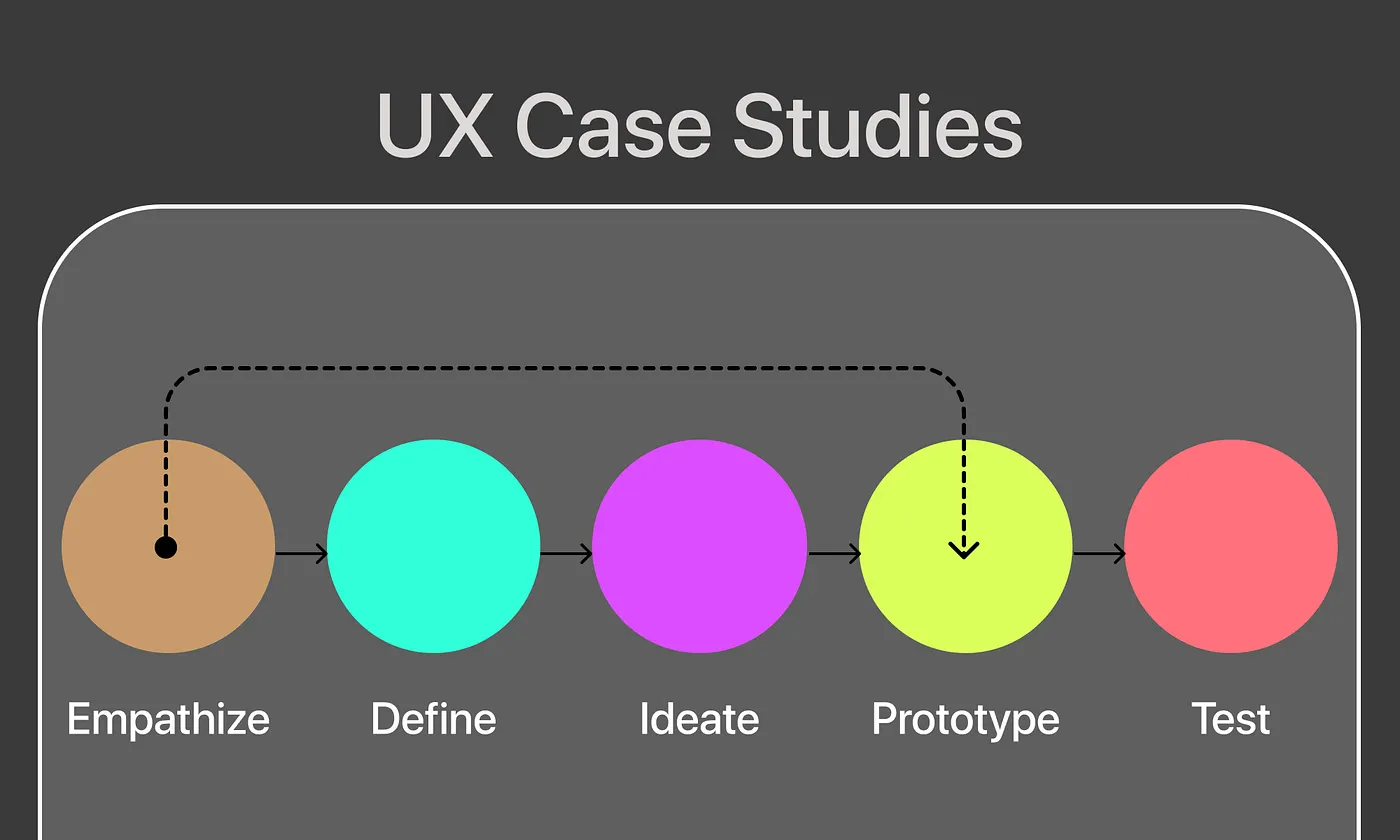
In recent years, I’ve noticed a significant transformation in the field of UX design. Numerous bootcamps and online courses have lowered the barrier to entry, making it easier for aspiring designers to build portfolios. However, this trend has led to a concerning shift toward templatized UX case studies that prioritize displaying solutions over thoroughly exploring problems, undermining the very essence of UX design.
The Problem with Current Case Study Set-Ups
Leading with Solutions
Modern UX case studies often lead with solutions instead of explaining how they arrived at the problem statement. Many adopt this approach to save recruiters time, allowing for quick portfolio reviews. However, this shortcut sacrifices the core objective of UX design: understanding and solving user problems. By jumping straight to the solution, these case studies gloss over the critical process of identifying and articulating the problem, resulting in designers who may not fully grasp the issues they are addressing.
Prioritizing Visual Appeal Over Problem Solving
Templatized case studies often emphasize visual appeal over problem-solving. Many focus on creating aesthetically pleasing designs rather than developing solutions that resonate with the identified problem statement. This trend makes it challenging to assess a candidate’s problem-solving skills, as the solutions presented may not effectively address the underlying issues. I’ve conducted plenty of interviews and majority of the candidates seem to lack strong design rationale. UX design requires crafting solutions that are not only visually appealing but also functionally relevant and user centric.
Focusing on UI Instead of the UX Process
These case studies tend to be UI-focused, often neglecting the overall UX process. Many emphasize creating user interfaces without delving into the reasoning behind them. This superficial approach can result in designs that lack depth and fail to address core user needs. A robust UX process involves extensive research, empathy, and iteration, which are often overlooked in favor of presenting polished interfaces.
Creating Challenges for Recruiters and Design Teams
Recruiters and design teams looking to hire junior designers face significant challenges due to the influx of templatized case studies. Finding candidates with a genuine understanding of which problems are worth solving and how to tackle them effectively becomes increasingly difficult. The superficial nature of these case studies makes it hard to gauge a candidate’s ability to conduct thorough research, synthesize insights, and develop meaningful solutions.
The Impact of Emerging Tools
The proliferation of tools like website builders and AI platforms has exacerbated the issue. These tools provide students with powerful resources to create polished designs but also contribute to the templatization trend. Students may rely heavily on these tools without developing a deep understanding of the UX principles and processes that should underpin their work. This reliance can lead to technically proficient designs that lack the thoughtful problem-solving and user-centric approach defining strong UX design.
Stifling Creativity and Innovation
Rigid templates stifle creativity and limit innovative solutions. Designers following a prescribed format may feel constrained and unable to explore novel approaches to problem-solving. The true potential of UX design lies in its ability to adapt and innovate based on user needs and contextual insights. Templatization runs counter to this potential by promoting conformity and standardization over creativity and originality.
Conclusion
The templatization of UX case studies presents a troubling trend in UX design. While it has made it easier for aspiring designers to build portfolios, it has led to a superficial approach that prioritizes solutions over thoroughly understanding problems. This shift undermines the essence of UX design, rooted in empathy, research, and iterative problem-solving. I believe we must emphasize the importance of identifying and articulating problem statements, fostering creativity, and encouraging a deeper understanding of the UX process. Only then can we cultivate a new generation of designers truly equipped to create meaningful, user-centric solutions.